Connecticut Slowed Down Its Building Code Updates
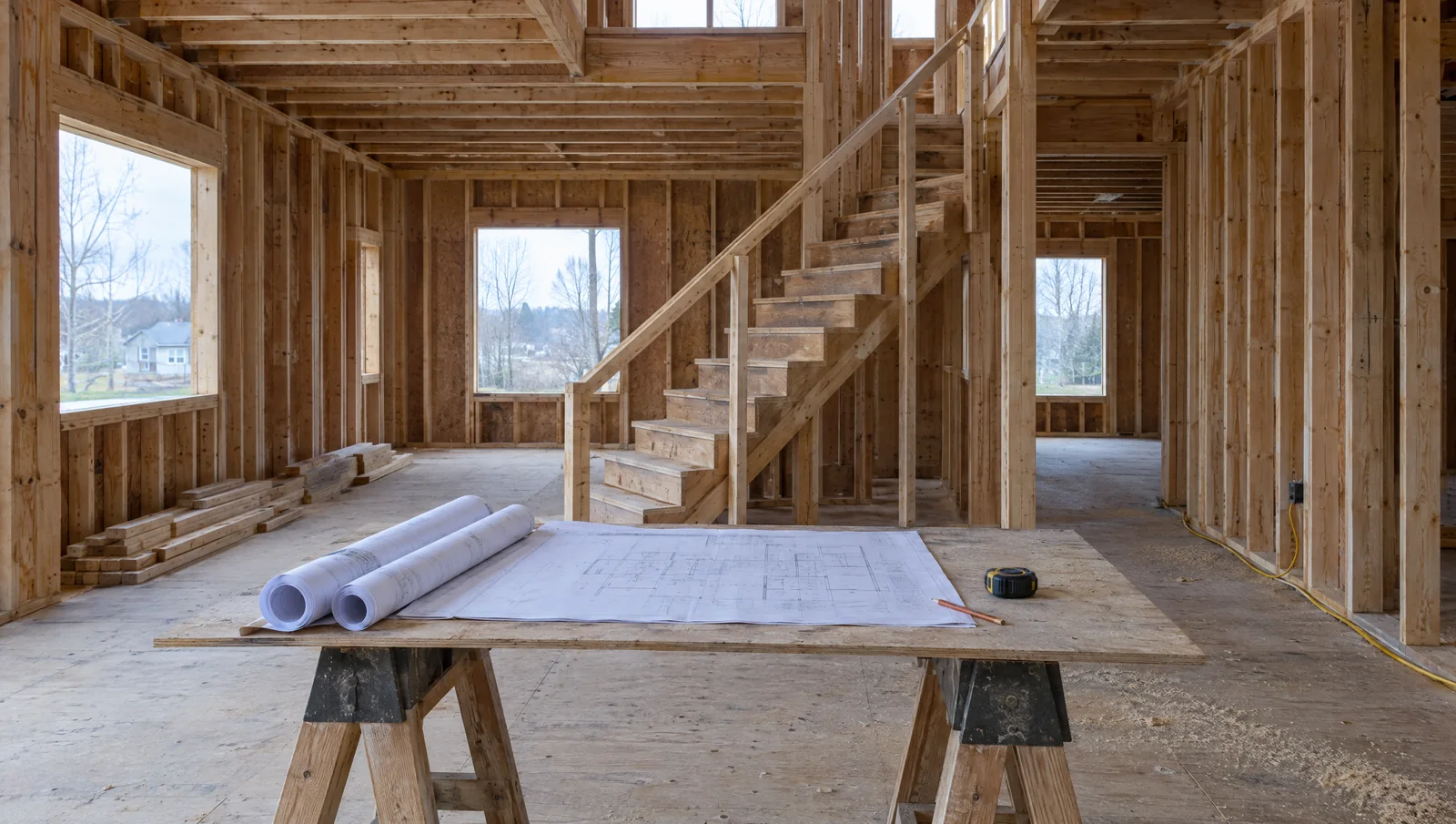
Building codes change on a schedule, and that schedule just got slower. For anyone with a project that will take a year or two to get built, that is good news.
Under the old rule, Connecticut had to update the State Building Code, the State Fire Prevention Code and the Fire Safety Code within 18 months of the national model codes they are based on being published. Public Act 26-58, effective October 1, stretches that window to two years.
It also skips a round. Under the act, no revisions are required after the first publication of revisions to the 2024 model codes and before the first publication of revisions to the 2030 model codes. The Department of Administrative Services has to report back to the legislature by January 1, 2029 on how the longer cycle is working out.
Why this matters for a house
A drawing set is prepared against a specific edition of the code. Egress, stair geometry, insulation values, fire separation, window sizes in bedrooms — all of it traces back to the edition in force. When the code turns over mid-project, work that was already drawn and approved can need revisiting before it gets built.
A longer cycle means fewer of those turnovers. If your project runs from design through permit through a build season, there is now a better chance that the code you drew to is still the code you build to.
One change that went the other way
Separately, the legislature removed a requirement that the next adopted versions of the State Building Code and Fire Safety Code include amendments allowing single exit stairways to serve additional residential occupancies. That came through Public Act 26-1, Section 63, effective on passage. It affects multi-unit buildings rather than single-family houses, but it is worth knowing if you are looking at a small apartment project.
What it does not change
This is about when the state has to adopt a new code. Your town's zoning regulations run on their own schedule, and they change far more often than the building code does. Setbacks, lot coverage, height and what you are allowed to build at all are local questions, and the answer can be different this year than it was last year.
That is the part we check first on every project, before a single line gets drawn.
Planning something in Fairfield County?
Tell us the address and what you have in mind. We'll check what your town allows today and email your design fee in 1–2 business days.
Get a Fee Estimate